
Why Your Skin Microbiome Matters More Than Ever
Why Your Skin Microbiome Matters More Than Ever
Only in the last decade have we really begun to understand how important microbes are for healthy skin.
Your skin is not just skin.
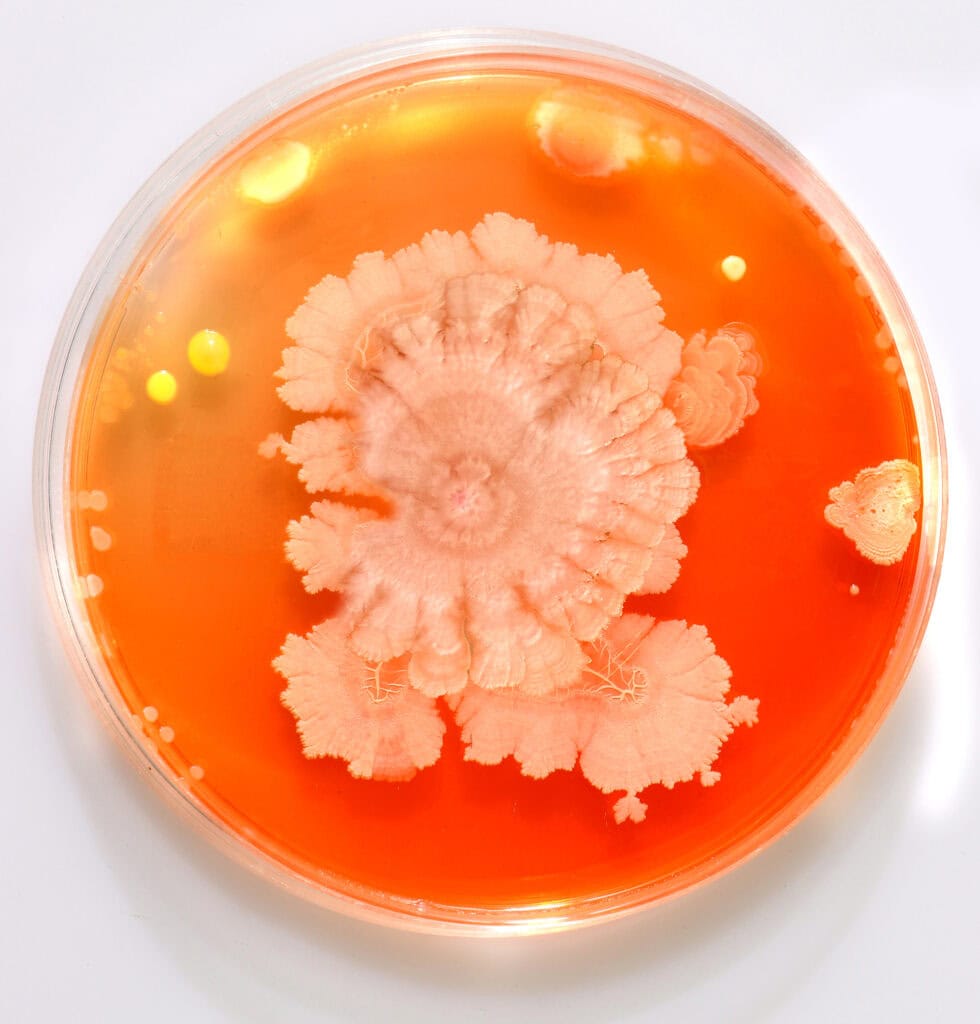
It is an ecosystem made up of bacteria, fungi and other microorganisms that live alongside your own cells.
When this ecosystem is balanced, the skin tends to be calmer, stronger and more resilient.
When it is disrupted, we often start to see sensitivity, inflammation and chronic skin issues.
Are We Losing Microbial Diversity?
Across the planet biodiversity is declining, and something similar appears to be happening on our skin.
Modern lifestyles are very different from the environments humans evolved in. Many researchers now believe this shift is affecting the microbial diversity that supports our immune system and skin barrier.
Some studies suggest people living in highly industrialised environments have significantly lower microbial diversity compared with those living closer to nature.
This may be one reason why inflammatory skin conditions such as eczema have increased dramatically in recent decades.
Interestingly, acne is rarely seen in traditional hunter gatherer communities where microbial diversity on the skin is extremely high.
What Disrupts the Skin Microbiome?
Many everyday habits can unintentionally reduce microbial diversity.
Excess sanitation
Very sterile environments and constant antibacterial products reduce contact with beneficial microbes. Basic hygiene is important, but over sanitising the skin may disrupt its natural balance.
Chlorinated water
Most tap water is treated with chlorine to prevent harmful contamination. While necessary for public health, chlorine may also affect the microbes living on the skin.
Antibiotics
Antibiotics can be life saving and sometimes essential. However they do not distinguish between harmful and beneficial bacteria, which can alter the microbiome for long periods of time.
Reduced contact with nature
Humans evolved outdoors, constantly exposed to soil, plants and environmental microbes. Modern indoor lifestyles limit this interaction.
Overly aggressive cosmetics
Some products can disrupt the skin barrier, alter pH or reduce microbial balance when used excessively.
High pH soaps
Traditional soaps can raise the skin’s pH which creates a less favourable environment for beneficial microbes.
Why This Matters for Skin
Your microbiome plays a role in:
• protecting the skin barrier
• regulating inflammation
• supporting immune responses
• maintaining balanced oil production
• preventing overgrowth of problematic bacteria
When this ecosystem is disrupted the skin often becomes more reactive.
This is something I see frequently in clinic.
People are using more products than ever, yet their skin becomes increasingly sensitive.
Rebuilding a Healthy Skin Environment
Supporting the microbiome does not need to be complicated.
Often it is about removing unnecessary disruption and allowing the skin to function normally again.
Some helpful habits include:
Spend more time outdoors
Nature exposure introduces the body to a wider microbial environment.
Gardening or contact with soil
Healthy soil contains a huge diversity of microbes.
Eat fermented foods
Foods such as kefir, kimchi and sourdough support microbial diversity in the gut, which may influence skin health.
Consider probiotics
Some people find oral probiotics helpful, although responses vary.
Choose barrier friendly skincare
Products that support the skin barrier and include prebiotic ingredients may help maintain balance.
Avoid over cleansing or harsh products
The skin thrives on stability rather than constant correction.
A Different Way to Think About Skin
Healthy skin is not sterile.
It is alive, adaptive and interconnected with the environment around us.
Perhaps the future of skincare is less about attacking the skin and more about learning how to support the ecosystem that already exists there.
If you would like support with your skincare, I do in-person and online consultations. Book here